
Concrete Contractors of Sherman
Site Paving & Concrete Roads concrete service

Paving & Civil

Site Paving & Concrete Roads

Heavy-duty concrete paving programs for industrial yards, access roads, and distribution corridors.

We plan, engineer, and execute site paving & concrete roads across North Texas industrial, commercial, and municipal job sites. Our team coordinates design, logistics, and QA so every placement supports the overall critical path of your project.

concrete pavingindustrial roadssite paving
  • Concrete and asphalt programs with drainage integration
  • ADA upgrades, streetscapes, and municipal improvements
  • Earthwork, stabilization, and utility encasements
ACI | PTI crews24/7 mobilizationQA/QC reports
Loading...

About Site Paving & Concrete Roads

Site paving and concrete road construction represent essential infrastructure components for industrial facilities, distribution centers, and commercial developments throughout Sherman, TX and the greater North Texas region. Heavy-duty concrete paving programs deliver durable, long-lasting surfaces capable of withstanding severe loading conditions, high-frequency traffic, and demanding industrial operations. Our expertise encompasses comprehensive paving solutions for industrial yards, access roads, distribution corridors, and commercial site paving applications requiring engineered concrete systems. Heavy-duty concrete paving specifications address the unique requirements inherent in industrial and commercial applications where standard paving solutions prove inadequate. Design considerations include traffic loading analysis, axle load configurations, turning radii, and frequency of heavy vehicle operations. Paving thickness requirements typically range from 6 to 12 inches for industrial applications, with precise thickness determined through engineering analysis of anticipated loads, soil conditions, and service life expectations. Reinforcement strategies may include welded wire fabric, rebar grids, or fiber reinforcement depending on joint spacing, load conditions, and performance requirements. Industrial yard paving encompasses large-scale applications including distribution center yards, manufacturing facility access areas, and logistics hubs where continuous heavy vehicle traffic creates demanding conditions. These applications require concrete systems designed to withstand repetitive loading, turning movements, and temperature variations while maintaining serviceability and structural integrity. Joint design becomes critical in industrial yard applications, requiring careful consideration of joint spacing, joint type, and load transfer mechanisms to prevent faulting and spalling under heavy traffic. Access road construction serves critical functions connecting industrial facilities to public roadways, providing routes for delivery vehicles, and accommodating emergency access requirements. Concrete access roads must withstand heavy truck traffic while integrating with existing infrastructure, managing drainage effectively, and providing safe, reliable access under various weather conditions. Design considerations include adequate width for turning radii, proper drainage slopes, and integration with site grading and utility systems. Distribution corridor paving addresses the high-volume traffic patterns typical of logistics and distribution facilities where constant vehicle movement creates exceptional wear conditions. These corridors require concrete systems capable of withstanding continuous heavy axle loads, turning movements, and operational demands that far exceed typical roadway requirements. Thickness design, joint configuration, and surface finish must be carefully engineered to ensure performance under these demanding conditions. Paving specifications for concrete roads incorporate comprehensive design parameters including minimum thickness requirements, concrete strength specifications, joint spacing guidelines, and surface finish requirements. Typical concrete strength requirements range from 3000 to 4000 psi minimum compressive strength, with higher strengths specified for particularly demanding applications. Air entrainment requirements address freeze-thaw durability, while slump specifications ensure proper placement and consolidation. Thickness requirements for concrete paving vary based on loading conditions, soil support capacity, and performance expectations. Structural design methods analyze traffic loads, soil modulus values, and allowable stress levels to determine appropriate slab thickness. Typical industrial applications require 6 to 8 inches of concrete, while heavy-duty applications may require 10 to 12 inches or more. Subgrade preparation and base course materials provide critical support for concrete pavements, requiring proper compaction and material quality. Joint design represents a fundamental aspect of concrete paving performance, managing thermal expansion and contraction while providing load transfer between adjacent slabs. Contraction joints are typically spaced at intervals ranging from 10 to 20 feet, depending on pavement thickness, concrete properties, and environmental conditions. Construction joints accommodate sequential placement operations, while expansion joints accommodate thermal movement at structures or transitions. Joint sealing prevents water infiltration and maintains joint functionality throughout the pavement's service life. Durability factors for concrete paving include resistance to freeze-thaw damage, chemical attack, abrasion, and structural fatigue. Air-entrained concrete provides protection against freeze-thaw cycles common in North Texas, while proper mix design ensures adequate strength and durability. Surface finishing techniques create appropriate texture for vehicular traffic while maintaining skid resistance and surface durability. Curing procedures protect concrete during critical early strength development, ensuring long-term performance. Construction execution for concrete paving requires precise surveying, proper subgrade preparation, and careful material placement operations. Subgrade preparation includes grading, compaction to specified densities, and installation of base course materials where required. Concrete placement operations utilize appropriate equipment including concrete trucks, pavers, and finishing equipment to achieve specified thickness, surface finish, and joint locations. Quality control measures include concrete testing, thickness verification, and joint inspection to ensure compliance with specifications. Performance monitoring and maintenance programs help identify potential issues before they compromise pavement functionality. Regular inspection programs assess joint condition, surface deterioration, and structural performance. Preventive maintenance activities including joint resealing and surface treatments extend service life and maintain performance. Repair procedures address localized deterioration while maintaining overall pavement functionality. Concrete paving provides durable, long-lasting solutions for industrial and commercial applications requiring heavy-duty performance and minimal maintenance. Our expertise with industrial yard paving, access roads, and distribution corridors enables us to deliver engineered concrete systems that meet demanding operational requirements. Whether serving large-scale industrial facilities or commercial developments, properly designed and constructed concrete paving systems provide essential infrastructure that supports operational efficiency and long-term facility success throughout Sherman, TX and the greater North Texas region.

Related Services

Explore connected scopes or search the catalog.

Parking Lot Construction

Full-scope concrete parking lots including grading, paving, drainage, and turnover striping.

View service

Industrial Flatwork

Laser-guided flatwork placements built to support racking, robotics, and high-cycle traffic.

View service

Civil Site Concrete

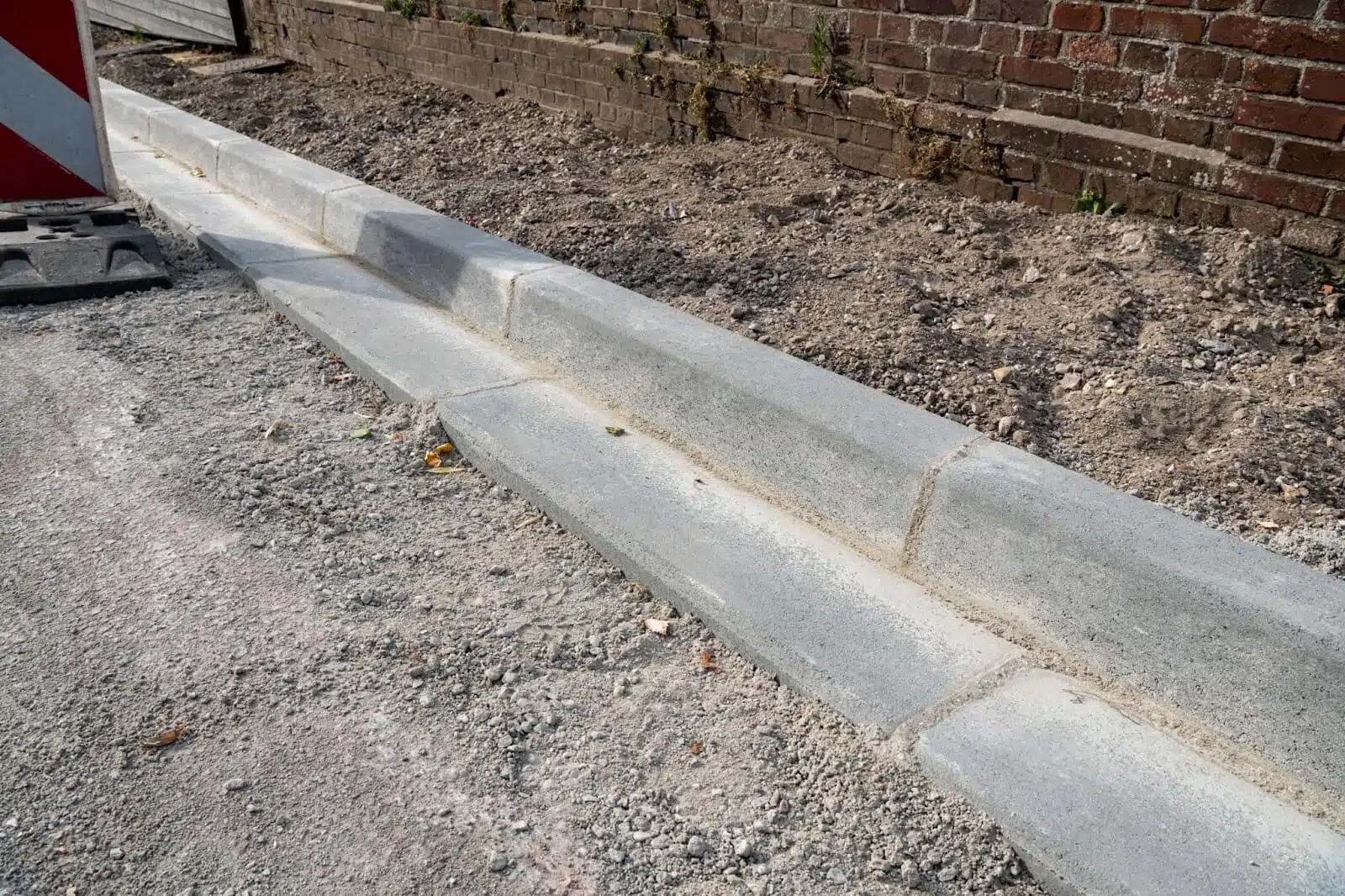
Sidewalks, curbs, vehicular paving, and hardscape elements coordinated with site utilities.

View service
Asphalt Paving & Milling

Asphalt paving, milling, and overlay programs coordinated with concrete scopes for hybrid facility sites.

View service

Frequently Asked Questions

What specifications do you use for heavy-duty concrete paving at industrial sites in Sherman, TX?

Heavy-duty concrete paving specifications for industrial sites in Sherman, TX incorporate comprehensive design parameters addressing traffic loading, soil conditions, and performance requirements. Typical thickness requirements range from 6 to 12 inches, determined through engineering analysis of anticipated loads and soil support capacity. Concrete strength specifications typically require minimum 3000 to 4000 psi compressive strength, with higher strengths specified for particularly demanding applications. Joint spacing guidelines typically range from 10 to 20 feet, depending on pavement thickness and environmental conditions. Reinforcement strategies may include welded wire fabric, rebar grids, or fiber reinforcement based on joint spacing and load conditions. Air entrainment requirements address freeze-thaw durability important for North Texas conditions, while proper mix design ensures adequate strength and workability. Subgrade preparation requires proper compaction and base course materials to provide critical support. Surface finish specifications create appropriate texture for vehicular traffic while maintaining skid resistance. These specifications ensure that industrial paving in Sherman, TX withstands repetitive heavy vehicle loading, turning movements, and operational demands while providing long-term serviceability and minimal maintenance requirements.

How do you handle concrete road construction for distribution centers and logistics facilities in Denison, TX?

Concrete road construction for distribution centers and logistics facilities in Denison, TX requires comprehensive planning addressing high-volume traffic patterns, heavy axle loads, and continuous operational demands. Our approach begins with detailed traffic analysis evaluating vehicle types, loading frequencies, turning movements, and operational patterns specific to distribution and logistics operations. Design engineering determines appropriate pavement thickness, typically 8 to 10 inches for these applications, reinforced with welded wire fabric or rebar grids to handle repetitive loading. Joint design carefully considers spacing and configuration to prevent faulting and spalling under constant heavy traffic. Distribution corridor paving requires thicker sections, enhanced reinforcement, and careful attention to joint locations where turning movements concentrate loads. Construction phasing coordinates with facility operations to minimize disruption while maintaining safety and quality standards. Concrete placement utilizes appropriate equipment including concrete trucks, pavers, and finishing equipment to achieve specified thickness and surface finish. Quality control measures include concrete testing, thickness verification, and joint inspection throughout construction. The resulting concrete roads withstand continuous heavy vehicle movement, provide reliable access under various weather conditions, and integrate effectively with facility operations throughout Denison, TX distribution centers and logistics facilities.

What is the typical cost and timeline for site paving projects in McKinney, TX commercial developments?

Cost and timeline for site paving projects in McKinney, TX commercial developments vary significantly based on project scope, paving area, thickness requirements, and site conditions. Typical costs range from $8 to $15 per square foot for standard 6-inch concrete paving, with costs increasing for thicker sections, reinforcement requirements, and complex site conditions. Heavy-duty industrial applications may cost $12 to $20 per square foot depending on thickness, reinforcement, and traffic loading requirements. Timeline expectations typically range from 2 to 6 weeks for most commercial site paving projects, depending on area size, weather conditions, and coordination with other site work. Pre-construction activities including permitting, site preparation, and utility coordination add 1 to 3 weeks to overall project duration. Concrete placement operations require suitable weather conditions and typically proceed at rates of 1,000 to 3,000 square feet per day depending on project complexity and access conditions. Curing periods add 5 to 7 days before heavy traffic loading can begin. Factors affecting cost and timeline include site access, weather delays, soil conditions requiring additional preparation, integration with existing infrastructure, and coordination with other construction activities. Our project management approach includes detailed cost estimation, realistic scheduling, and regular communication to ensure McKinney, TX commercial developers understand project expectations and timelines.

Do you provide concrete road construction for large industrial yards and access roads in Dallas-Fort Worth, TX?

Yes, we provide comprehensive concrete road construction services for large industrial yards and access roads throughout the Dallas-Fort Worth metroplex. Our capabilities encompass extensive industrial yard paving for distribution centers, manufacturing facilities, and logistics hubs requiring durable surfaces capable of withstanding continuous heavy vehicle traffic. We construct access roads connecting industrial facilities to public roadways, providing routes for delivery vehicles and emergency access. Our engineering expertise addresses heavy-duty loading conditions, turning movements, and operational demands exceeding typical roadway requirements. We handle projects ranging from small access roads to extensive industrial yards spanning hundreds of thousands of square feet. Construction capabilities include site preparation, subgrade compaction, base course installation, concrete placement, joint construction, and surface finishing. We coordinate effectively with facility operators, site civil engineers, and utility providers to minimize disruption while maintaining quality and schedule objectives. Our experience with DFW industrial projects includes coordination with municipal requirements, adherence to local codes, and integration with existing infrastructure. We serve clients throughout the metroplex, providing engineered concrete road systems that meet demanding operational requirements, withstand severe loading conditions, and provide long-term performance for large industrial yards and access roads in Dallas-Fort Worth, TX.

Ready to schedule site paving & concrete roads?

Share your drawings, soils data, and schedule details. Our engineering and field leaders will prepare a concrete delivery plan tailored to your site.

  • • Plan review and value engineering prior to mobilization
  • • Full logistic planning, pumps, cranes, and finishing crews
  • • QA documentation plus daily reporting for stakeholders
Call NowGet Free Quote