Concrete Contractors of Sherman
Parking Lot Construction concrete service

Paving & Civil

Parking Lot Construction

Full-scope concrete parking lots including grading, paving, drainage, and turnover striping.

We plan, engineer, and execute parking lot construction across North Texas industrial, commercial, and municipal job sites. Our team coordinates design, logistics, and QA so every placement supports the overall critical path of your project.

parking lotcommercial pavingconcrete lot
  • Concrete and asphalt programs with drainage integration
  • ADA upgrades, streetscapes, and municipal improvements
  • Earthwork, stabilization, and utility encasements
ACI | PTI crews24/7 mobilizationQA/QC reports
Loading...

About Parking Lot Construction

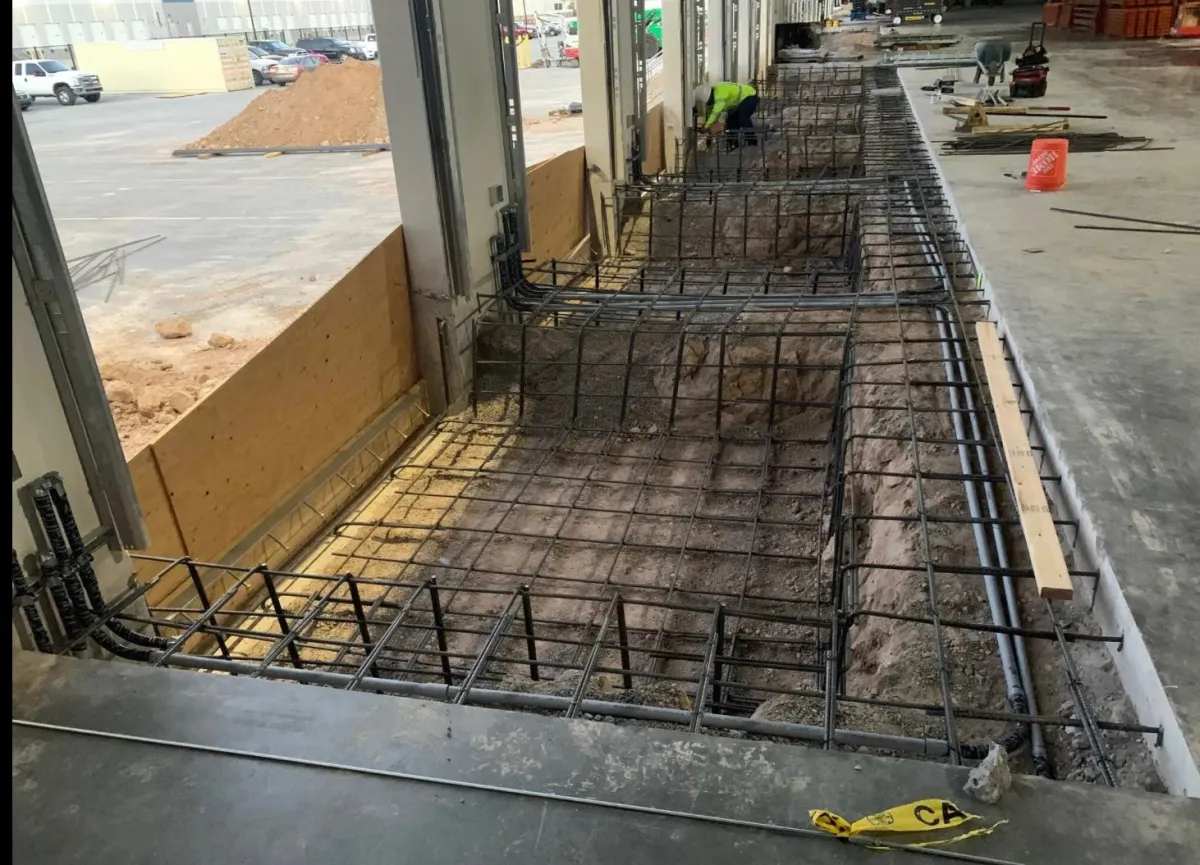
Parking lot construction represents a critical component of commercial development throughout Sherman, TX, providing essential infrastructure that supports business operations and customer access. Full-scope concrete parking lots encompass comprehensive design and construction services that create durable, functional parking environments for retail centers, office complexes, industrial facilities, and municipal buildings. Our expertise encompasses grading preparation, concrete paving, drainage integration, turnover striping, and quality assurance that delivers commercial parking solutions meeting North Texas requirements and usage patterns. Full-scope concrete parking lots involve complete infrastructure development from site preparation through final striping, creating comprehensive parking solutions for commercial properties. Site assessment, design development, and construction execution ensure that parking lots meet capacity requirements, accessibility standards, and operational needs. Commercial parking lot construction in Sherman, TX serves retail shopping centers, professional office buildings, healthcare facilities, and industrial complexes with durable concrete infrastructure. Grading represents the foundation of successful parking lot construction, establishing proper site preparation that ensures drainage, stability, and functionality. Precise grading establishes appropriate slopes for stormwater runoff while providing level surfaces for vehicle parking and maneuvering. Subgrade preparation addresses North Texas soil conditions, including expansive clays and variable moisture content. Grading specifications ensure proper compaction and elevation control that supports long-term pavement performance. Paving operations form the core of parking lot construction, with concrete placement requiring precise thickness control, proper consolidation, and surface finishing. Concrete paving specifications consider traffic loading, environmental conditions, and service life requirements. Thickness design addresses vehicle weights, soil conditions, and anticipated usage patterns. Paving operations include formwork installation, concrete placement, consolidation, and surface finishing that creates durable parking surfaces. Drainage integration ensures effective stormwater management throughout parking lot construction, preventing water accumulation that could damage pavement or create safety hazards. Curb and gutter systems, drainage inlets, and underground conveyance systems direct runoff away from parking areas. Drainage design considers North Texas rainfall patterns, soil infiltration rates, and municipal stormwater requirements. Proper drainage prevents ponding, erosion, and pavement deterioration. Turnover striping completes the parking lot construction process, providing clear lane markings, parking space delineation, and directional guidance that ensures safe, organized vehicle movement. Striping specifications follow municipal standards and accessibility requirements, with proper paint selection for durability and visibility. Turnover striping includes parking space markings, directional arrows, handicapped space identification, and safety zone designations that create functional parking environments. Lot design considerations encompass comprehensive planning that optimizes space utilization, traffic flow, and accessibility requirements. Parking layout maximizes capacity while providing efficient vehicle circulation and pedestrian safety. Design integration addresses building access, landscaping requirements, and future expansion potential. Commercial lot design balances operational efficiency with aesthetic considerations. Thickness requirements for concrete parking lots vary based on soil conditions, traffic volumes, and structural requirements throughout North Texas. Standard commercial applications typically require 6-8 inch concrete slabs, while heavy-duty industrial parking may necessitate 8-12 inch thicknesses. Thickness design considers subgrade bearing capacity, anticipated vehicle loads, and environmental factors that influence pavement performance. Joint layout provides critical crack control and movement accommodation in concrete parking lots, preventing random cracking while allowing for thermal expansion and contraction. Joint spacing follows industry standards and considers North Texas temperature variations. Dowel bar placement at transverse joints ensures load transfer and prevents faulting. Construction joint placement accommodates construction sequencing while maintaining structural integrity. Commercial parking solutions extend beyond basic construction to include specialized features that enhance functionality and value. Lighting integration, security features, and landscaping coordination create comprehensive parking environments. Accessibility compliance ensures ADA requirements are met. Technology integration may include smart parking systems and electric vehicle charging infrastructure. North Texas environmental considerations influence parking lot construction design and material selection, with expansive soils, freeze-thaw cycles, and high temperatures requiring appropriate engineering solutions. Concrete mix designs incorporate air entrainment for freeze-thaw resistance and appropriate slump characteristics for placement. Drainage systems address heavy rainfall and stormwater management requirements. Construction methodologies for parking lots include traditional concrete placement techniques, slip-forming for efficiency, and innovative approaches like roller-compacted concrete. Equipment selection considers site constraints, production rates, and quality requirements. Crew coordination ensures efficient workflow and consistent quality across large commercial projects. Quality assurance programs ensure that parking lot construction meets specifications and provides long-term performance. Material testing verifies concrete strength and durability. Elevation surveys confirm proper grading and drainage. Surface tolerance measurements ensure proper flatness for vehicle operations. Economic considerations for parking lot construction balance construction costs with long-term maintenance savings and property value enhancement. Material selections, design efficiencies, and construction methods optimize lifecycle costs. Value engineering identifies opportunities to enhance functionality without increasing construction budgets. Maintenance planning for parking lots establishes preventive care schedules and responsive repair capabilities that extend service life. Regular inspections identify potential issues before they impact operations. Surface restoration, joint repair, and restriping maintain functionality and appearance. Technology integration enhances parking lot construction precision through advanced design tools, construction automation, and performance monitoring. Robotic layout systems ensure accurate joint placement and elevation control. Digital project management platforms improve coordination and quality control. Regulatory compliance ensures that parking lot construction meets municipal codes, accessibility standards, and environmental requirements. Permitting processes address stormwater management and erosion control. Inspection coordination ensures installations meet approval standards. Professional expertise in parking lot construction encompasses engineering design, construction management, and quality assurance capabilities. Licensed professional engineers provide design and specification development. Certified concrete technicians ensure proper material selection and placement. Project managers coordinate complex commercial developments. Future developments in parking lot construction focus on sustainable materials, smart infrastructure, and enhanced durability. Permeable concrete, recycled aggregates, and self-healing technologies represent emerging capabilities. Electric vehicle infrastructure integration addresses evolving transportation needs. Community impact of parking lot construction extends to economic development and quality of life, providing essential infrastructure that supports commercial activity and accessibility. Well-designed parking lots enhance property values and attract business investment. Municipal parking facilities serve public needs and support community events. Sustainability initiatives integrate environmental responsibility with parking lot construction objectives, reducing ecological impact while enhancing infrastructure performance. Recycled materials, energy-efficient lighting, and green infrastructure elements minimize environmental footprint. Sustainable practices align with corporate responsibility goals and regulatory requirements. Innovation in parking lot construction embraces emerging technologies and materials that improve efficiency and performance. Prefabricated drainage systems, automated joint cutting, and advanced concrete formulations accelerate construction while maintaining quality. Digital tools streamline design, construction, and management processes. Legacy planning ensures that parking lot construction creates lasting commercial assets that support long-term property development. Infrastructure improvements enhance property values, attract tenants, and support business operations. Strategic planning aligns parking development with commercial growth patterns. Performance monitoring for parking lot construction establishes metrics for success and identifies opportunities for continuous improvement. Usage studies, condition assessments, and user feedback inform future design decisions. Data-driven approaches ensure that parking investments deliver maximum operational benefit. Integration with site development creates cohesive commercial environments where parking lots complement building architecture, landscaping, and overall property functionality. Unified design approaches enhance aesthetic appeal and operational efficiency. Emergency preparedness considerations ensure that parking lots support disaster response and recovery operations. Elevated design standards provide resilience against extreme weather events. Coordination with emergency management agencies ensures infrastructure reliability. Education and training maintain high standards for parking lot construction execution through ongoing professional development. Crew training emphasizes quality control, safety procedures, and technical proficiency. Knowledge advancement supports consistent performance across different projects. Measurement and verification systems provide objective assessment of parking lot construction quality, ensuring installations meet design specifications and operational requirements. Advanced measurement tools verify thickness, flatness, and surface conditions. Verification processes support warranty requirements and quality assurance.

Related Services

Explore connected scopes or search the catalog.

Parking Lot Striping & Marking

High-visibility striping, ADA layout, and traffic control markings for new and existing lots.

View service

Civil Site Concrete

Sidewalks, curbs, vehicular paving, and hardscape elements coordinated with site utilities.

View service

Earthwork & Site Grading

Mass excavation, grading, and balance plans that prepare commercial sites for structural concrete placements.

View service

Drainage & Stormwater Concrete

Headwalls, flumes, inlets, and box culverts cast to manage commercial stormwater requirements.

View service

Frequently Asked Questions

What full-scope parking lot construction services do you provide for commercial properties in Sherman, TX?

We provide comprehensive full-scope parking lot construction services for commercial properties in Sherman, TX, including site grading, concrete paving, drainage systems, and turnover striping. Our services encompass complete infrastructure development from initial site assessment through final parking space markings. We handle subgrade preparation, concrete placement with proper thickness and reinforcement, drainage integration, and ADA-compliant striping. Commercial parking lot construction serves retail centers, office buildings, industrial facilities, and healthcare complexes with durable concrete infrastructure designed for North Texas environmental conditions and usage patterns.

How do you determine concrete thickness requirements for commercial parking lots in North Texas?

Concrete thickness requirements for commercial parking lots in North Texas are determined through comprehensive engineering analysis considering soil conditions, traffic loads, and environmental factors. Standard commercial applications typically require 6-8 inch concrete slabs for passenger vehicles and light trucks. Heavy-duty industrial parking may necessitate 8-12 inch thicknesses for larger vehicles and equipment. Design calculations evaluate subgrade bearing capacity, anticipated vehicle weights, expansive soil conditions, and freeze-thaw cycles common throughout North Texas. Thickness specifications ensure structural integrity while optimizing construction costs for long-term performance in Sherman, TX commercial developments.

What drainage systems do you integrate into concrete parking lot construction?

We integrate comprehensive drainage systems into concrete parking lot construction to manage stormwater and prevent pavement damage throughout North Texas. Curb and gutter systems direct runoff toward drainage inlets and underground conveyance pipes. Graded surfaces ensure positive drainage away from buildings and parking areas. Drainage design considers local rainfall patterns, soil infiltration rates, and municipal stormwater requirements. Permeable concrete alternatives and rain garden integration provide sustainable drainage solutions. Quality control ensures proper slope, elevation, and flow capacity to prevent water accumulation and maintain parking lot functionality.

How do you handle joint layout and turnover striping for new commercial parking lots?

Joint layout and turnover striping for new commercial parking lots involve precise engineering and construction execution to ensure durability and functionality. Joint spacing follows industry standards and considers North Texas temperature variations to prevent cracking. Dowel bars at transverse joints ensure load transfer and prevent faulting. Construction joints accommodate placement sequencing while maintaining structural integrity. Turnover striping includes parking space markings, directional arrows, handicapped space identification, and safety zones using durable, visible paint that meets municipal standards and ADA requirements for clear, organized vehicle movement throughout Sherman, TX commercial properties.

Ready to schedule parking lot construction?

Share your drawings, soils data, and schedule details. Our engineering and field leaders will prepare a concrete delivery plan tailored to your site.

  • • Plan review and value engineering prior to mobilization
  • • Full logistic planning, pumps, cranes, and finishing crews
  • • QA documentation plus daily reporting for stakeholders
Call NowGet Free Quote